Higher education has an enrollment problem, but not always the one institutions assume. When colleges miss targets, leaders recruit more, increase marketing, and expand scholarships. Yet institutions can still struggle when prospects do not convert, students cannot afford to continue, or continuing students leave before graduating.
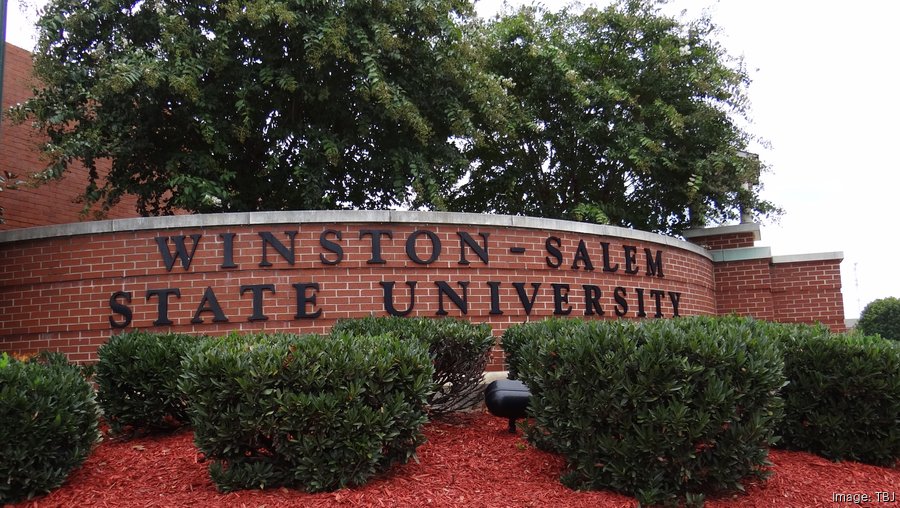
My enrollment management experience, particularly at Historically Black Colleges and Universities (HBCUs), has reshaped my question: What if growth depends not only on recruitment, but on helping students enter, persist, progress, and graduate? At HBCUs, enrollment is tied to revenue, capacity, access, and opportunity. Growth without a plan for student progression is incomplete.
A recent Chronicle of Higher Education article brings this tension into focus. Its broader lesson is not that colleges should necessarily enroll fewer students. Rather, institutions must align enrollment ambitions with their capacity to support students and sustain their missions.
Three Lessons That Reshaped My Perspective
First, enrollment growth cannot compensate indefinitely for attrition. Recruiting a new class while losing continuing students creates a cycle of replacement rather than sustainable growth. Leaders must understand how many students are leaving, why they leave, and which barriers the institution can address.
Second, access must be matched by capacity and a realistic path to completion. HBCUs expand opportunities for students whose journeys may not follow traditional patterns. Preserving that mission requires attention to finances, academic preparation, work and family responsibilities, and flexible pathways. Traditional freshmen matter, but so do transfer students, adult and returning learners, online students, and working professionals who need evening or weekend options.
Third, sustainable enrollment is an institutional responsibility. Financial aid, registration, faculty, advising, and senior leadership all shape student outcomes. When these functions operate independently, students encounter fragmented processes and institutions lose opportunities to convert interest into enrollment and persistence.
The Problem Is Bigger Than Recruitment
When an institution misses its target, leaders may increase marketing, recruitment travel, scholarships, or purchased leads. These interventions can help, but they may not address the underlying problem. Prospective students may inquire but never apply; admitted students may not deposit; deposited students may encounter financial aid delays or registration barriers; and enrolled students may stop out because of academic, financial, or personal pressures. Each stage requires a distinct intervention.
The Chronicle of Higher Education article connects recruitment choices with affordability, retention, and readiness to succeed. The work must connect the first inquiry to graduation.
A Five-Part Framework for Strategic Progression
Institutions must distinguish enrollment growth from enrollment health. Growth measures headcount; enrollment health measures whether students enter, register, persist, progress, and complete credentials sustainably.
A strategic progression framework has five levers:
· Attraction: Build a recruitment portfolio grounded in institutional strengths, market demand, program relevance, and a clear understanding of the students the institution is equipped to serve.
· Conversion: Identify where prospective students disengage between inquiry, application, admission, deposit, financial clearance, and registration. Each transition should have a defined owner, measurable target, and timely response.
· Persistence: Understand why students do not return and coordinate interventions that address financial, academic, personal, and administrative barriers before those barriers become reasons to leave.
· Progression: Monitor whether students accumulate credits, access required courses, maintain academic momentum, and move through programs without unnecessary delays or avoidable credit loss.
· Completion: Evaluate whether students are earning credentials that advance their goals and whether programs, advising, and support structures make timely completion achievable.
These levers are interconnected. An institution can increase its incoming class while losing continuing students at an unsustainable rate. It can meet its deposit goal while leaving too many students financially uncleared, or increase headcount without ensuring that academic programs, advising, housing, and student-support infrastructure can accommodate growth. Retention becomes a growth strategy, conversion becomes an institutional responsibility, academic progression becomes an enrollment indicator, and completion becomes an outcome against which the entire system must ultimately be evaluated.
Build a Diversified Enrollment Portfolio
For smaller private colleges, regional universities, and HBCUs, relying too heavily on first-time freshmen creates vulnerability. Freshmen remain important but should not carry the full burden of growth. Colleges need a portfolio reflecting the varied ways students pursue higher education.
Traditional freshmen need strong high-school pipelines and clear information about academic and financial expectations. Transfer students need community-college partnerships, transparent credit evaluations, and mapped degree pathways. Adult and returning learners may benefit from completion initiatives, reentry programs, appropriate credit for prior learning, and targeted advising. Online learners need flexible schedules, relevant programs, and responsive support. Evening, weekend, and hybrid formats can serve working adults, caregivers, and place-bound students.
The objective is not to pursue every population simultaneously. It is to identify the markets an institution can serve well and build the academic and operational capacity to support them. New formats should be developed around documented demand, faculty capacity, instructional quality, and realistic financial projections, not simply added to a catalog in the hope of generating enrollment.
Make Persistence Everyone’s Business
Diversifying recruitment is only half the equation. Institutions must help enrolled students continue by connecting admissions, financial aid, the registrar, advising, faculty, student affairs, and institutional research through shared goals and timely information.
An executive dashboard should monitor registration, credit completion, satisfactory academic progress, unresolved balances, advising engagement, stop-out risk, and term-to-term persistence. Financial barriers may require counseling or payment arrangements; academic concerns may call for tutoring or revised course plans; scheduling conflicts may require another modality; and stopped-out students need a clear path back. Retention requires identifying why students leave and redesigning the conditions that make continued enrollment possible.
Measure What Matters—and Share Accountability
Colleges should track applications, admissions, deposits, registrations, and census headcount, alongside stage-by-stage conversion, financial clearance, yield by population, retention, persistence, credit accumulation, degree progression, graduation, and net tuition revenue. Examine results by student segment, program, and delivery format.
The purpose is not to collect more data for reporting. It is to determine where students are being lost, why those losses occur, and which interventions are most likely to improve outcomes. Presidents, provosts, enrollment leaders, and governing boards must establish shared accountability. Enrollment cannot remain the responsibility of admissions alone when program availability, financial aid processing, advising, registration, and the student experience all influence whether students enroll and remain.
Sustainable Success
I no longer judge enrollment success primarily by how many students an institution attracts in one cycle. I ask whether it can recruit, convert, retain, and graduate students across populations and delivery models.
This is not a call to lower ambitions. Institutions need students to sustain their missions, finance operations, and expand opportunity. Growth must be intentional, diversified, and supported by a plan for persistence and completion.
For colleges struggling to meet enrollment targets, the next breakthrough may not come from another recruitment campaign or a more ambitious headcount goal. It may come from examining the students already in the pipeline, improving conversion, helping current students persist, reengaging those who have stopped out, and creating pathways for learners who have not traditionally been served well.
An institution’s enrollment strategy should be judged not only by the students it attracts, but also by how effectively it converts opportunity into persistence, progression, and completion.
--
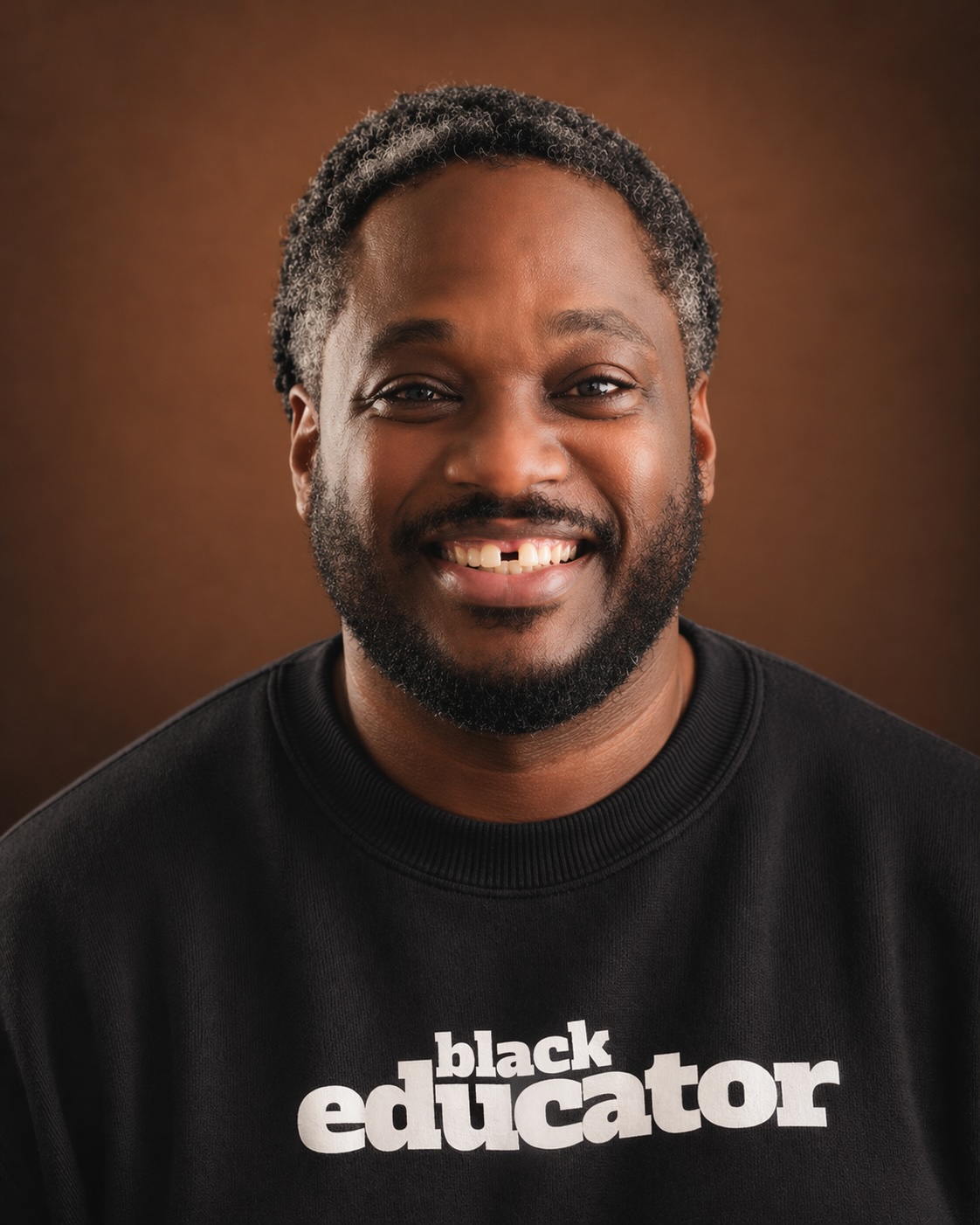
Dwight Sanchez is a higher education enrollment management executive with more than 16 years of experience advancing strategic enrollment growth, student success, and institutional effectiveness across Historically Black Colleges and Universities (HBCUs), Minority-Serving Institutions, and nationally recognized universities. His work focuses on data-informed enrollment strategy, student persistence and retention, and sustainable institutional growth.