Enrollment growth cannot compensate indefinitely for attrition. Recruiting a new class while losing continuing students creates a cycle of replacement rather than sustainable growth. Leaders must understand how many students are leaving, why they leave, and which barriers the institution can address.
I write this article not as a passive observer, but as someone who has taught and led within higher education and whose scholarship is grounded in higher education studies and the experiences of Black people within the academy.
Ten historically Black colleges and universities will share $97.1 million in Department of Defense grants to expand science, technology, engineering and mathematics research.

Federal HBCU financing backs new student housing, and the university’s first on-campus track as Florida’s oldest historically Black institution marks 160 years.
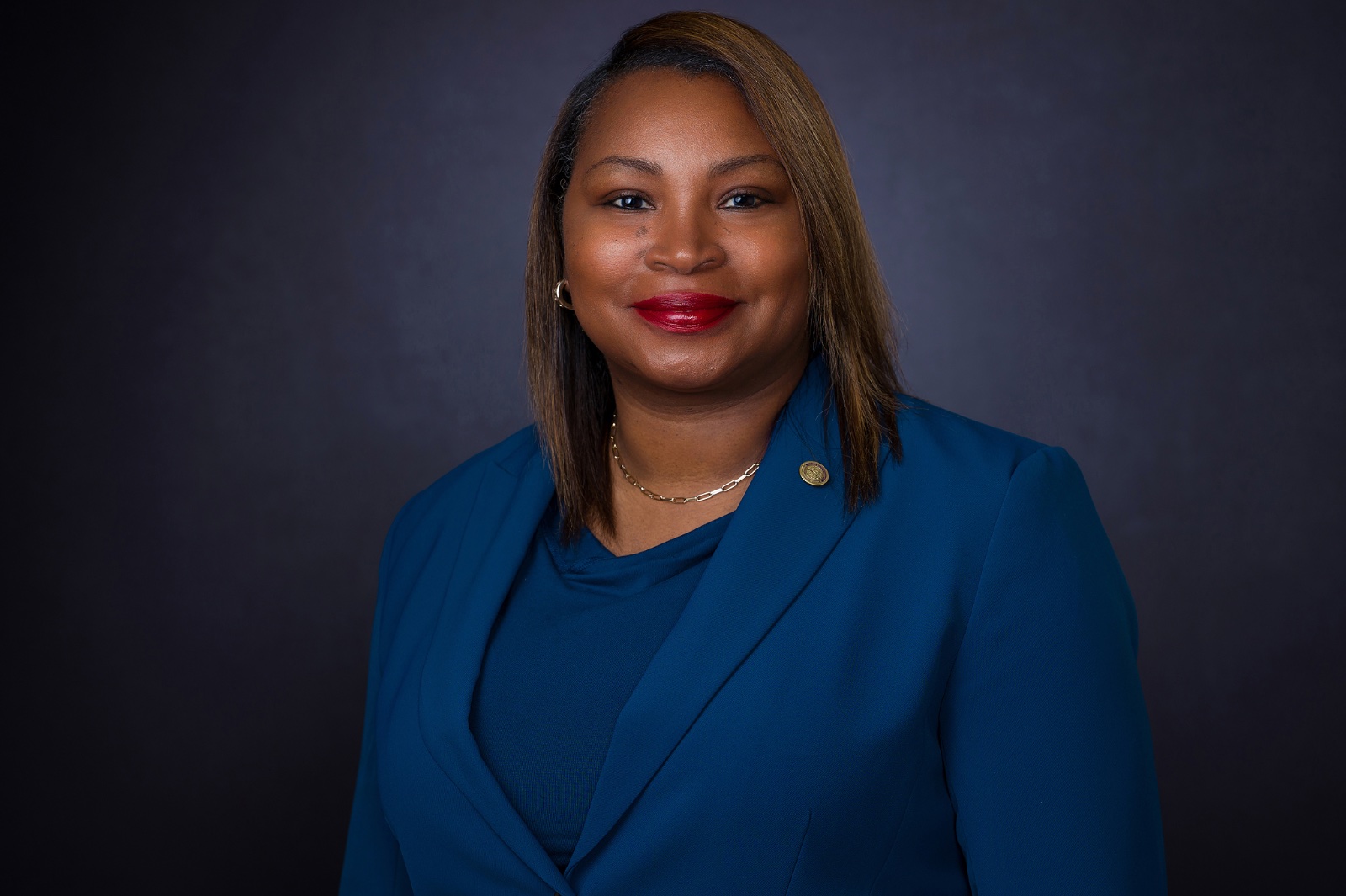
The vice president credits H.E.L.F. with lessons built for HBCUs and a cohort that still checks in.

The Simons Foundation and its sister organization, Simons Foundation International, are accepting applications for two new programs aimed at strengthening scientific research at historically Black colleges and universities.
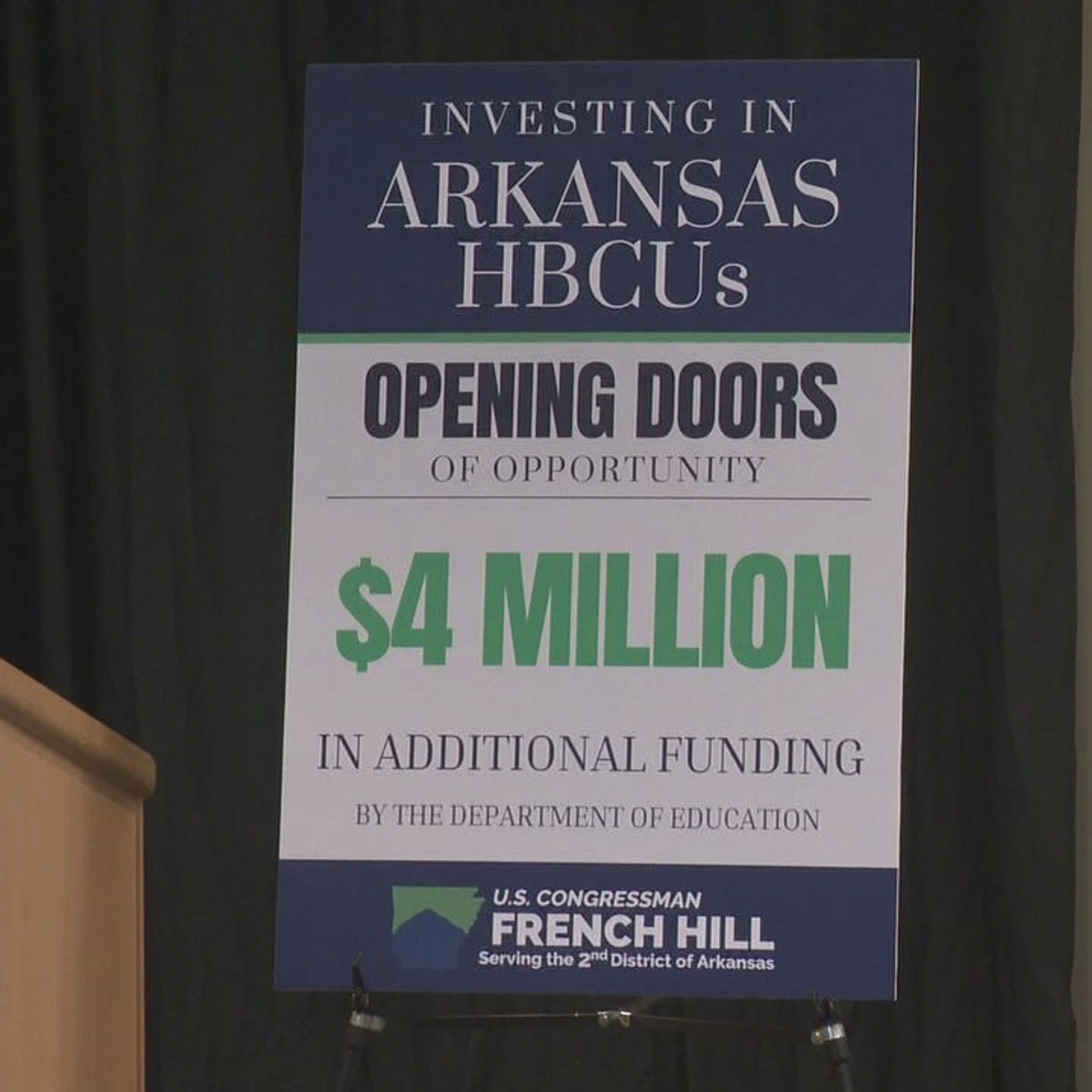
Leaders welcome the one-time infusion but say it falls short of the campuses' long-term needs.
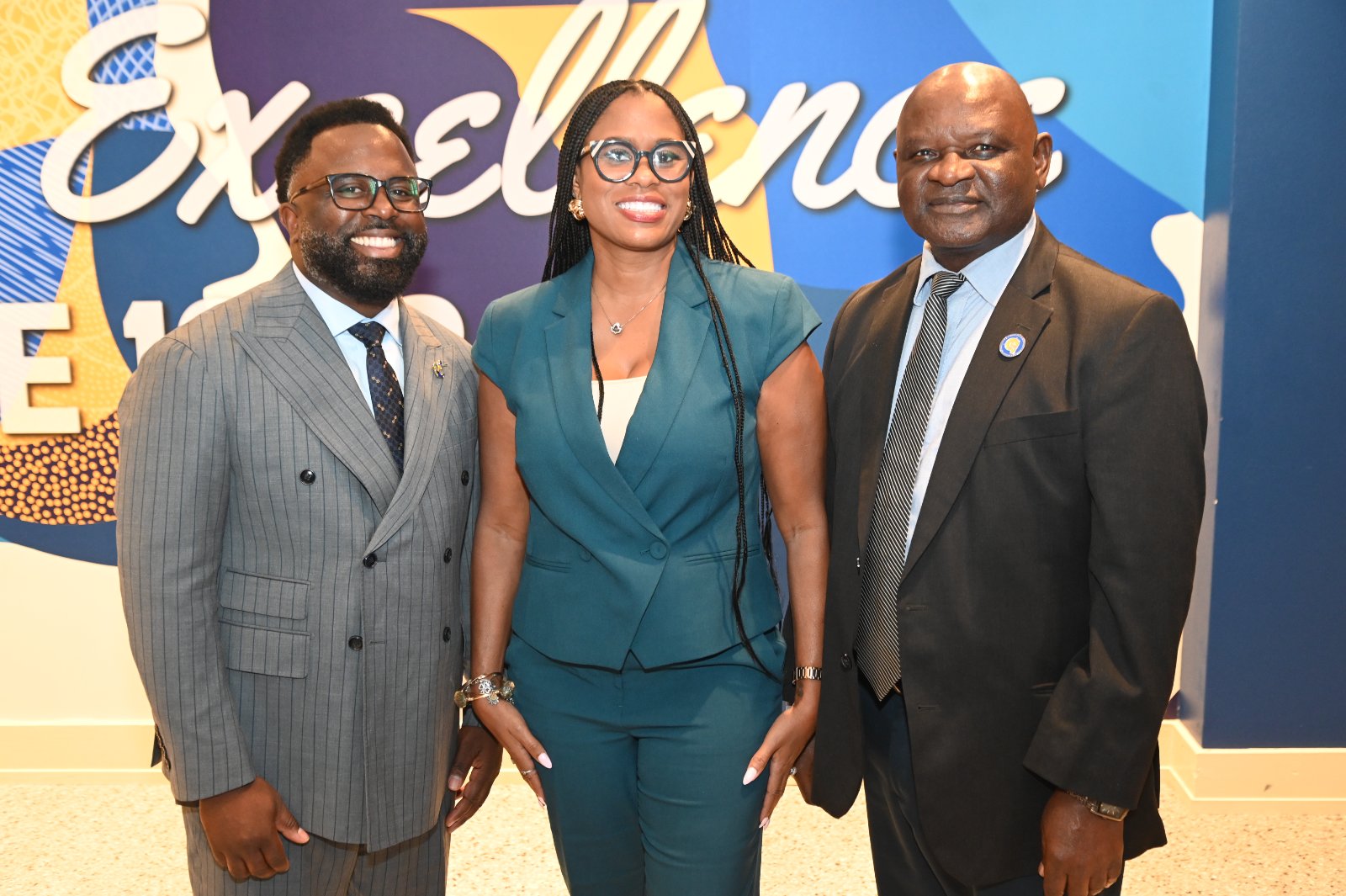
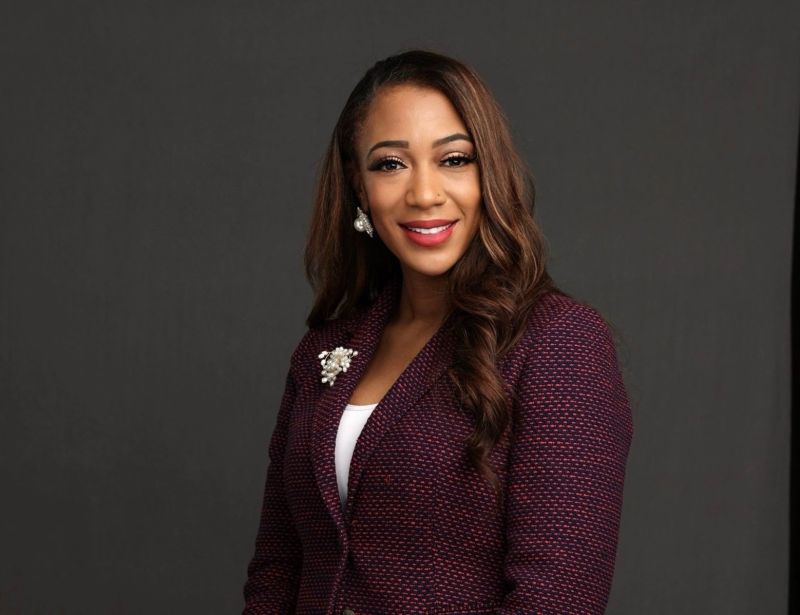
For Dr. Alexis Gaston, H.E.L.F. affirmed the power of HBCUs and opened doors beyond her campus.
Artificial intelligence has introduced legitimate questions about how work is created and how contributions should be evaluated. Organizations should establish clear standards. Schools should define expectations. Transparency matters. Yet beneath the debates about technology lies a much older question. How do we decide whose intellect we trust?
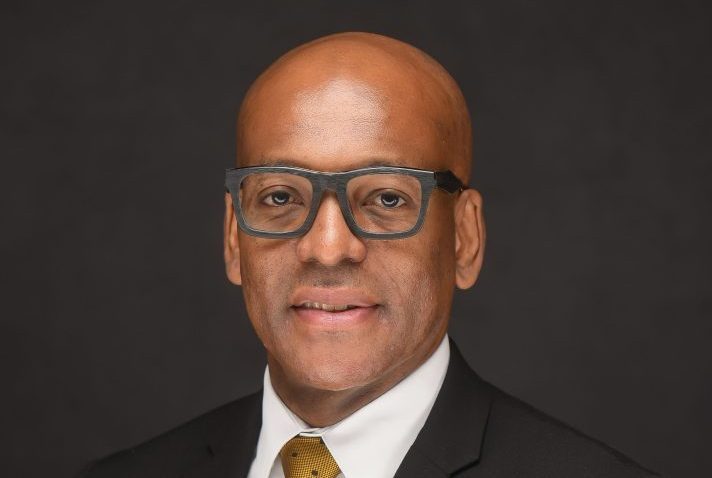
When Dr. Kenyatta N. Shamburger first heard about the Higher Education Leadership Foundation, the recommendation came from colleagues who had already completed the program. Their message was straightforward: this is something you should consider.

A five-year InsideTrack initiative across 39 HBCUs helped stopped-out students return at 2.5 times the national rate, and it is now training campus staff to carry the work forward.
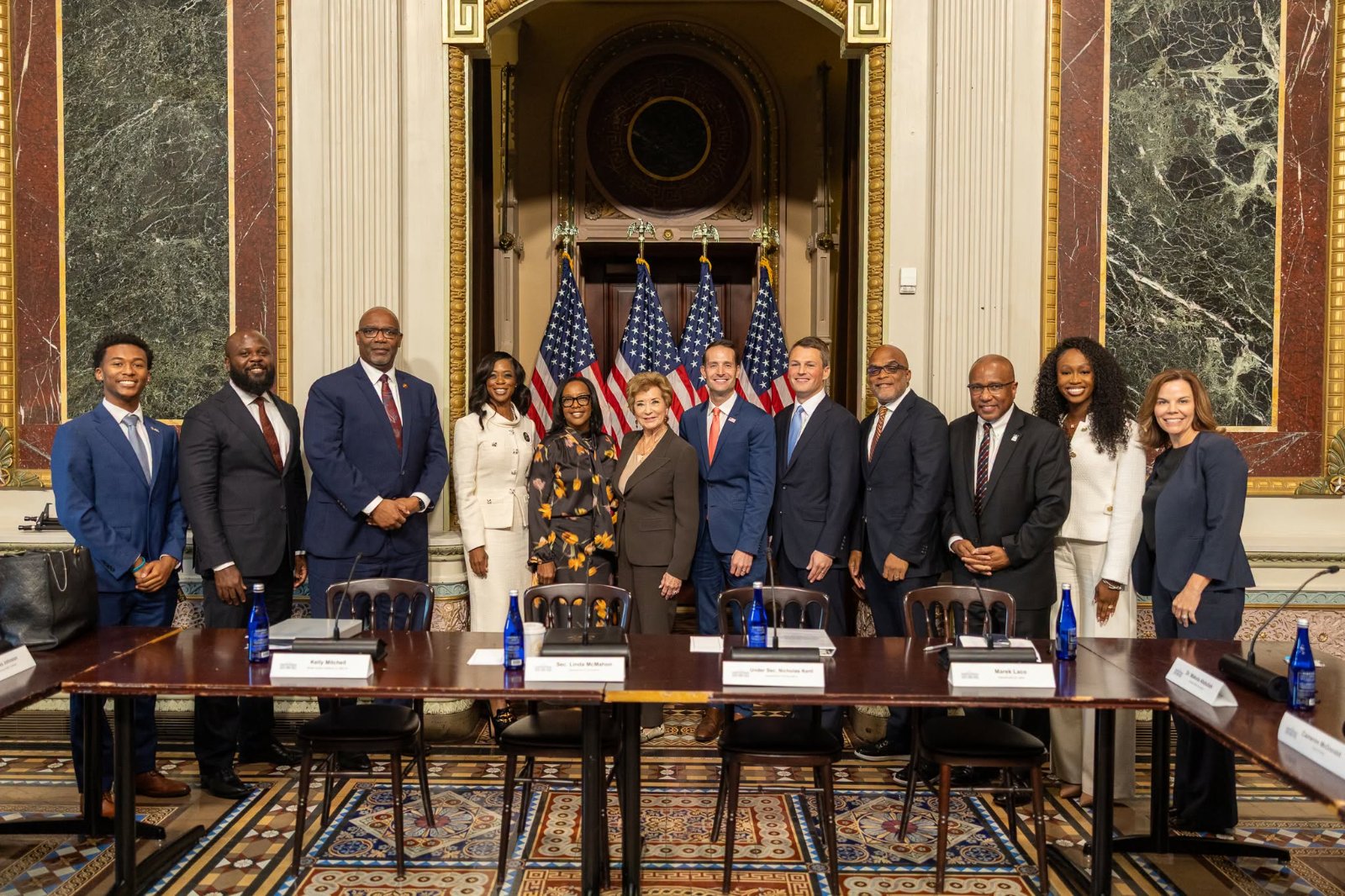

The Future of STEM Scholars Initiative (FOSSI), an industry-funded scholarship program that has raised more than $40 million for students at Historically Black Colleges and Universities, has opened applications for its next cohort. The deadline is Jan. 8, 2027.
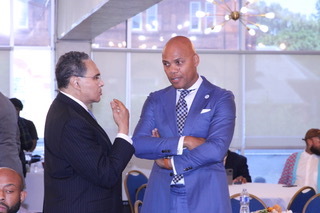
Presidents, chancellors and advocates filled Johnson C. Smith University for H.E.L.F.’s inaugural Futurist Symposium — a gathering Dr. Herman J. Felton framed as “a season of provocation.”
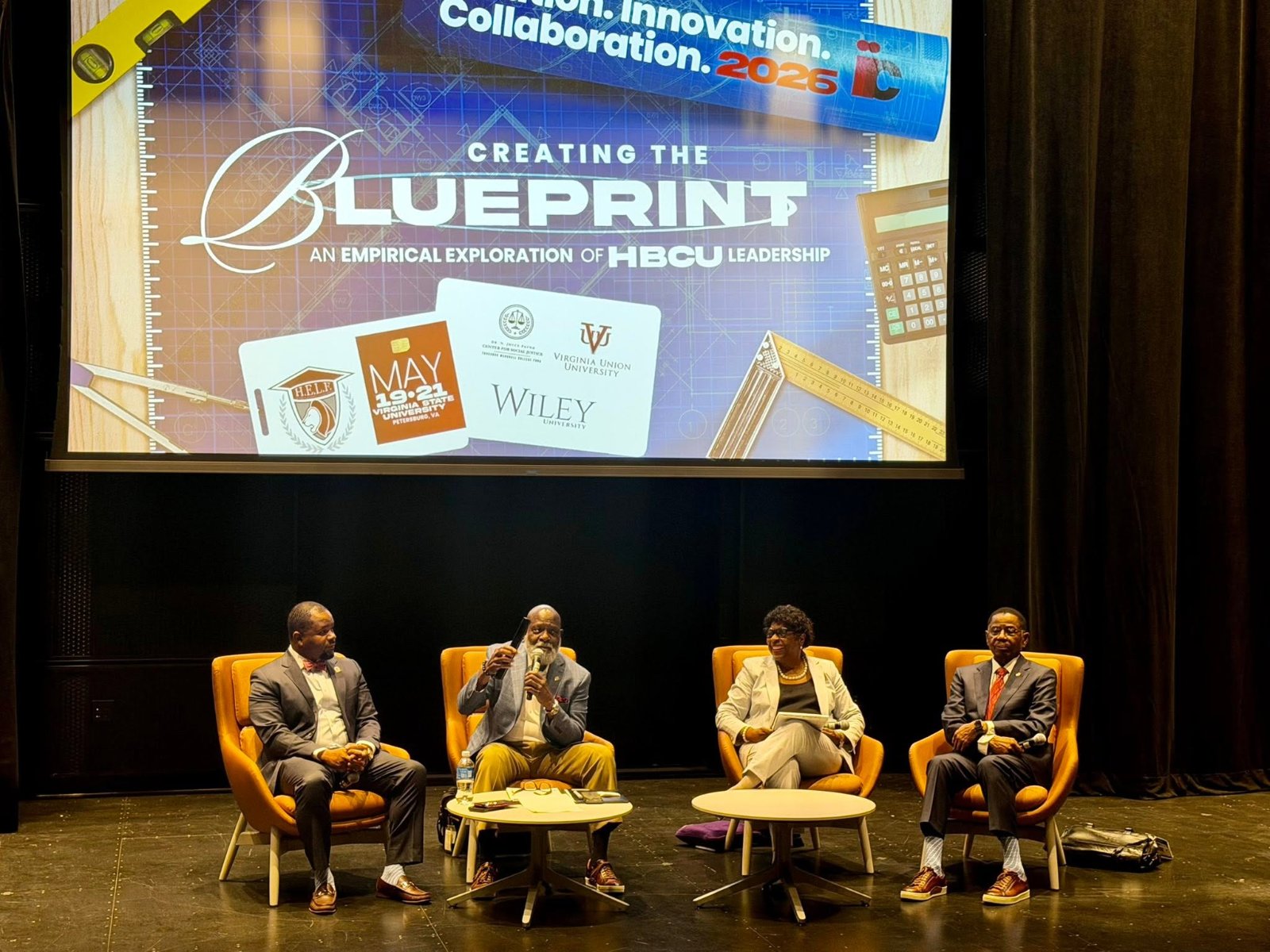
Sitting and emeritus presidents, trustees and scholars gathered at Virginia State University for H.E.L.F.’s third national convening — and turned the lens on the HBCU presidency itself.
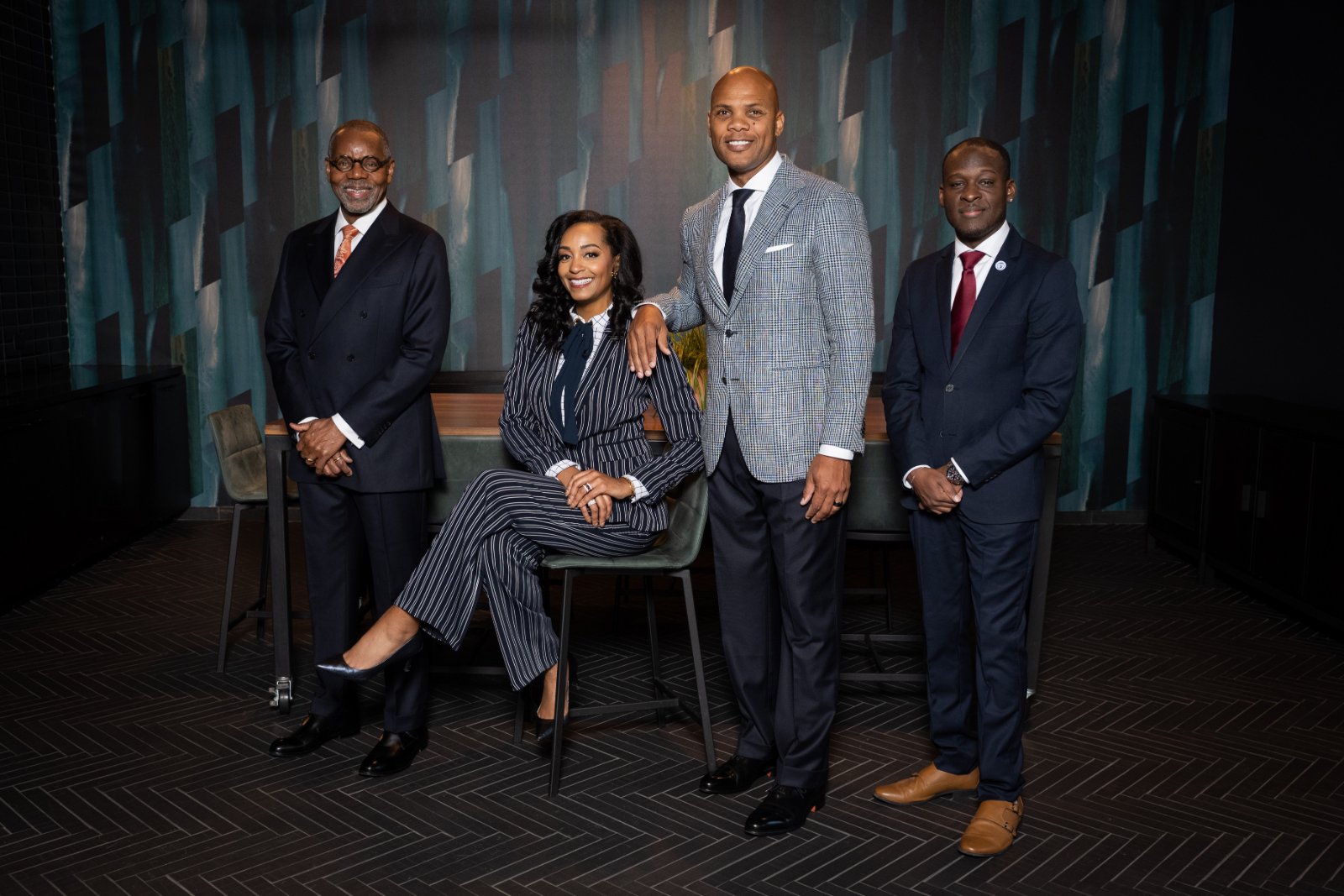
A decade ago, four people sat in a small hotel suite in New Orleans with no name, no logo, and no guarantee that anyone would come back. What they built has quietly transformed who leads America's HBCUs.