WASHINGTON — The U.S. Department of Education will direct more than $174 million in one-time supplemental dollars to historically Black colleges and universities, Secretary Linda McMahon announced, marking the second consecutive year the Trump administration has sent money to the sector beyond what Congress appropriated.
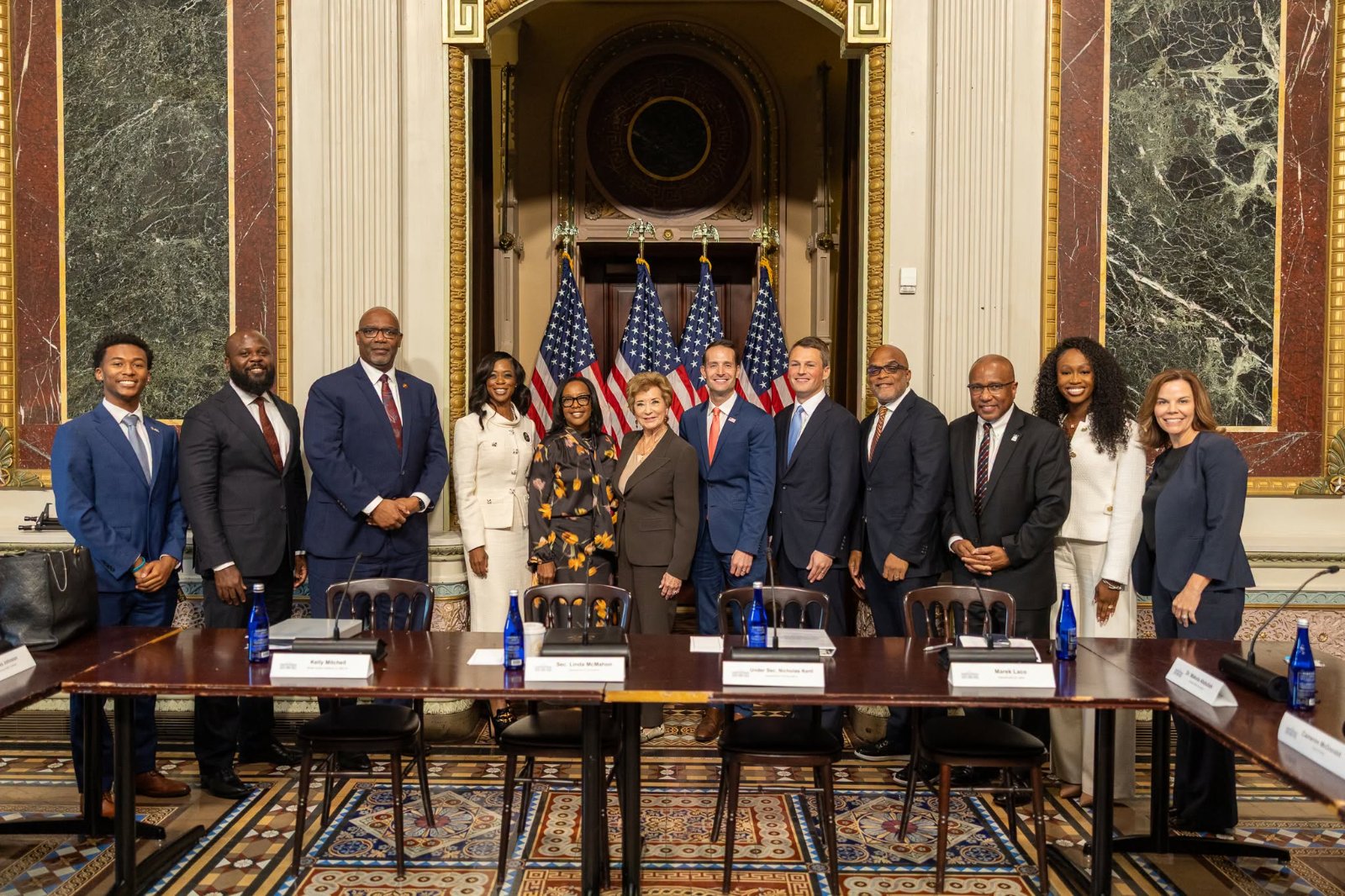
McMahon made the announcement at the White House Initiative on HBCUs Summit, a gathering of senior administration officials, college presidents and advocates held at the White House complex.
The fiscal 2026 award, reprogrammed from mandatory education funding, comes on top of the $406 million lawmakers approved for HBCUs and the president signed into law. It follows a record $438 million infusion in fiscal 2025. Taken together, the administration says it has steered more than $612 million in new support to Black colleges across the two budget cycles.
"For nearly 200 years, HBCUs have been engines of opportunity in communities, advancing critical innovations and uplifting local industries across the nation," McMahon said. "This new investment will help ensure these vital institutions have the resources they need to continue delivering world-class education and to prepare students for success in a rapidly evolving economy."
The department also said it would make a one-time award of more than $61 million to tribally controlled colleges and universities.
Leaders of the nation's two largest HBCU advocacy organizations quickly praised the move.
Dr. Harry L. Williams, president and CEO of the Thurgood Marshall College Fund (TMCF), which represents publicly supported Black colleges, said the supplemental Title III dollars extend a pattern of support the president has shown toward HBCUs since his first term began in 2017. Williams credited advocates who pressed the institutions' case across party lines with elected and appointed officials alike.
"We applaud the Trump administration for doubling down on their investments into HBCUs," Williams said, adding that the institutions are building the workforce and developing the leaders the country will need to stay globally competitive.
Lodriguez Murray, senior vice president for public policy and government affairs at UNCF, said the allocation was overdue.
"HBCUs have long deserved this kind of investment, and it is high time an administration took note to make it happen," Murray said.
He pointed to the economic weight of the sector as justification. "HBCUs are the most excellent institutions in the country in terms of educating students from lower socio-economic backgrounds and getting them to and through college," Murray said. "HBCUs infuse about $16 billion into our economy annually, and hire and fire, collectively, like a Fortune 50 company. A class of HBCU graduates will earn $146 billion over their lifetime. In short, HBCUs more than deserve the additional funding."
Dr. Michael L. Lomax, UNCF's president and CEO, said his organization had spent the year arguing that a single round of supplemental money would fall short. "The needs on HBCU campuses are too severe; but this investment will surely yield a great return," Lomax said.
Under Secretary of Education Nicholas Kent described the colleges as central to the nation's higher education system, saying they fuel workforce development, drive local economic growth and cultivate leaders in STEM, education, public service and business.
The summit and the new dollars stem from an executive order Trump signed on April 23, 2025, establishing the White House Initiative to Promote Excellence and Innovation at Historically Black Colleges and Universities.