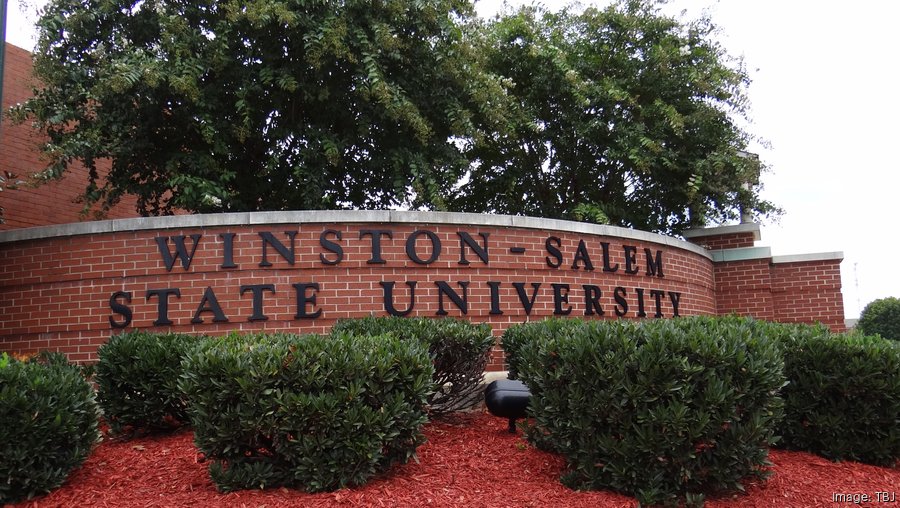
Nobody in the Alpha Cohort filled out an application. Their names were passed along by sitting and former HBCU presidents, executive recruiters and search firms. On Dec. 15, they will gather at Edward Waters University in Jacksonville, Fla., to rehearse a job none of them yet holds.
The people who land that job rarely keep it long. HBCU presidents serve an average of 4.22 years, according to UNCF’s Institute for Capacity Building, compared with 5.9 years for college presidents nationally in the American Council on Education’s most recent survey. ZRG Partners, a search firm that tracks HBCU leadership changes, has said the first three years may now decide whether a presidency survives.
The Higher Education Leadership Foundation (H.E.L.F.) designed its newest program, Who’s Got Next: The Ascension Series, around that early window. The premise is simple: a president who has already been tested on governance, money, and people in a controlled setting will make better calls when the stakes are real, and will last longer in office. With Ascension in place, H.E.L.F. now has a program for every stage of an HBCU career, from front-line staff to the president’s office.
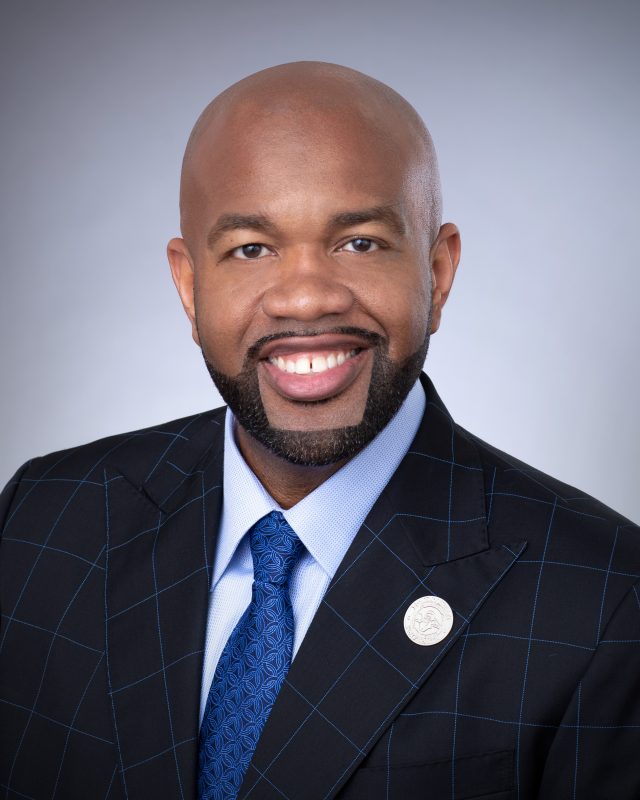
Ascension grew out of conversations between H.E.L.F. and Dr. A. Zachary Faison, Jr., a former H.E.L.F. Fellow and president and CEO of Edward Waters University. The two sides kept returning to the same question: why do so many HBCU presidencies end early?
“Among many other things, we concluded that incalculable value lives in readiness,” said Dr. Herman J. Felton, Jr., co-founder of H.E.L.F. and president and CEO of Wiley University in Marshall, Texas. “A president’s first months assess everything at once: governance, finance, people, and culture. Ascension lets proven leaders meet those tests before the stakes are real, so they arrive with their strengths sharpened and their gaps already named.”
Researchers have been pushing in a similar direction. In March, the Thurgood Marshall College Fund’s Joyce Payne Research Center published a national study that looked past turnover figures to the skills and support systems associated with longer HBCU presidencies.
H.E.L.F. started with its Leadership Institute for directors and vice presidents. The Institute is now on its 19th class, the Tau Cohort. The foundation later added training for what it calls the Mighty Middle, the front-line staff who carry out a university’s mission and the managers who supervise them. H.E.L.F. argues that this group decides whether a plan written in the president’s office ever produces results on campus.
Ascension fills the top rung. It is meant for executives whom others in the field consider ready for a presidency now, not in five years.
The program is immersive and intensive. Fellows move through scenarios drawn from the realities of the presidency, built to show which of their instincts serve them and which could get them in trouble. Sessions cover governance and board relations, the presidential search process, institutional finance, and cultural competency. Each Fellow finishes with a written-down picture of personal strengths and the gaps still to close.
For Faison, the point is to test judgment early.
“A résumé can win a presidency, but only judgment and proven effective navigability of these sacred spaces can keep one,” he said. “Ascension tests that judgment before a board ever has to, and Edward Waters University is proud to be its permanent home.”
Felton sees the launch of Ascension as the completion of a long-running project.
“With Ascension, we can say plainly that H.E.L.F. serves the entire HBCU leadership pipeline,” he said. “From the Mighty Middle to the Leadership Institute to the presidency, we are preparing the next generation of leaders upon whom our institutions will depend.”
The H.E.L.F. Review plans to publish short profiles of each Alpha Cohort Fellow over the coming weeks.